

The Rapid Rise of Social Crowdfunding Initiatives Transforming India What is Social Crowdfunding? Social crowdfunding is a method through which individuals can raise funds for social causes over the internet. It enables individuals, groups, or organizations to collect small donations from numerous supporters. The process has been well received due to its ability to empower communities and provide an easy option to assist others. Donations may go towards education, healthcare, or relief efforts during disasters. Anyone can initiate a campaign with minimal funds. It brings the donors and beneficiaries face-to-face. Social Crowdfunding Initiatives are becoming an integral part of India’s social development process, demonstrating how collective action can address large issues. Why Social Crowdfunding Is Important Small donations, collectively, can collectively make a large impact. Social crowdfunding campaigns benefit communities by: Financing schools and scholarships for poor children. Providing healthcare for needy families. Facilitating women’s empowerment and skill-building initiatives. Helping local disaster relief efforts in an efficient manner. By getting regular people to contribute, social crowdfunding initiatives build community and a culture of generosity. Access to healthcare can begin with simple online support, and platforms like Kanavu.help help make that possible for families in need. Success Stories of Social Crowdfunding Some campaigns have changed lives and motivated others to act: A school in the countryside was given new classrooms and equipment through small contributions. Health campaigns collected funds for life-saving operations and treatments. Local green schemes received funds to plant trees and clean rivers. These narratives accentuate the strength of social crowdfunding initiatives, inspiring more individuals to participate. How to Launch a Social Crowdfunding Campaign If you are ready to tap crowdfunding to raise funds for a cause, learning how to start a fundraiser can make the process simple and effective. Launching your own campaign is easy: Choose the social issue you are passionate about. Establish a specific fundraising target and deadline. Spread your campaign far and wide on social media. Regularly update supporters with updates and outcomes. Gratefully thank donors and demonstrate the outcome. Implementing these steps guarantees that your campaign reaches more individuals and has long-lasting effects. The Future of Social Crowdfunding Initiatives in India Thanks to technology and social media, social crowdfunding initiatives are increasing at a fast pace in India. More and more people are realizing how they can contribute to change with small donations. Digital payment apps are also making donations easier across India, allowing people to support causes instantly and securely. Crowdfunding websites are providing simpler tools for campaigns. Knowledge regarding social causes is rising across cities and villages. Collaborative campaigns are having bigger effects than ever before. Social crowdfunding initiatives are no longer simply about raising funds, but about creating tighter, bonded communities. For starting your initiative in supporting social causes, visit Kanavu Help.

Youth-Led Education and Medical Aid Initiatives Making Real Difference
Youth-Led Education and Medical Aid Initiatives Making Real Difference Young Hearts, Real Impact Throughout villages and towns, young change-agents are rising up to bring life improvement through Education and Medical Aid Initiatives. These young volunteers volunteer their weekends teaching kids, fundraising for medical assistance, or sharing health awareness. Every step—big or small—demonstrates how one youth can leave a lasting impact on someone else’s life. Volunteering in India is inspiring change one community at a time, as young individuals step forward to make a difference. Education That Empowers Supporting school education through donations is one of the strongest ways to create lasting change in a child’s life. Education is the starting point of change. There are numerous young volunteers who hold small classes in schools, villages, or even the shade of a tree. They assist children who have fallen behind in lessons to get ahead and dream once more. In these Education and Medical Aid Initiatives, young teachers apply joyful activities and easy techniques to teaching. Some collect used books and stationery; others teach students the basics of reading and writing. These activities not only make learning stronger but also make children self-believers. Medical Aid That Heals Good health is as essential as good education. That’s why youth-initiated Education and Medical Aid Initiatives also lay emphasis on healthcare. Volunteers generally organize small health camps, gather medicines, and assist doctors in helping poor families. Some assist old people in going to clinics or help children who require regular checkups. If young people couple compassion with medical know-how, healing becomes an integral part of community life. Simple Steps to Begin Helping Change does not necessarily take great resources—just a compassionate heart. Young people can readily begin their own Education and Medical Aid Initiatives by doing simple things: Teach a small group of children after school. Give notebooks, uniforms, or medical kits. Offer your services to a local health camp or school. Create drives of awareness on hygiene or nutrition. Get friends to organize small fundraisers for school materials or medicine. When these small actions collectively grow, they become a collective movement of concern and education. You can also join the movement and extend your support through platforms like Kanavu.help to create a wider impact. Building a Brighter Tomorrow The one thing unique about these Education and Medical Aid Initiatives is not the assistance they offer, but the atmosphere they generate. At the same time, understanding the challenges of public health education in India helps communities respond with more focused and meaningful efforts. Young volunteers gain empathy, leadership skills, and teamwork. These acts of small kindness create a future where all children can study and all families can live in health and hope. For real stories and contributing to worthwhile work, go visit kanavu.help.

Volunteering in India: Inspiring Change One Community at a Time
Volunteering in India: Inspiring Change One Community at a Time Volunteer in India has the capacity to change not only our own lives but also the lives of those we serve. Volunteering in India offers a powerful opportunity to make a meaningful difference, support communities, and be part of positive change. By giving your time and effort, you can impact education, healthcare, and the environment while experiencing India’s rich culture and diverse lifestyles. You can also contribute to education initiatives in rural India without spending a fortune, making a real difference even with limited resources. Most parts of the world are cursed with poor education, lack of healthcare, and nature endangered .If you spend your time and energy on volunteering, you will be the one who can transform people’s lives for the best and refresh their hope and trust. Reasons to Volunteer in India India has a very rich and varied culture and has existed for long. It is true that many parts of India are occupied by individuals who live under the poverty line, are illiterate, and have poor health status. Volunteering in India provides you an opportunity to go straight to the needy people and assist them. Not only that, but you will also get to discover their diverse lifestyles, be current with the issues of the area and be part of the solution. It is like being involved directly yet still surprised. Dealing with Difficulties Volunteering is such a wonderful act, but all is not always on your side. You can be confronted with various languages, culture, and a lack of resources among other difficulties. Patience, flexibility, and love will do you a long way in helping you overcome these hitches .Every small gesture of kindness makes a big difference. Even the most mundane acts of assisting a child in reading abilities or tree planting may initiate changes. Good Impact on Society Volunteering is one of the strongest contributors to a community’s overall health. Some of the good things that you can do include teaching children, giving medical attention to patients, and maintaining the safety and cleanliness of the neighbourhoods. Supporting healthcare donation initiatives in India driving social impact in rural communities is another meaningful way volunteers can strengthen public well-being. Besides this, what you do can inspire others to also give their own contributions. Volunteer workers are usually amongst the pioneers of broader movements that bring about change in various fields of life. On balance, Volunteering in India inform us that the manner in which small steps can make huge differences. Volunteering is both a joy and a payoff of the same magnitude. The Way to Continue You begin with researching the people or groups that share the same interests as you. Get in touch with them and find out how you can be of help. A brief visit or a free weekend volunteering might still have an impact in a positive way. Get rooted in the local traditions and speak some languages as an experiment to your destination. Be prepared to listen, adapt and do your best. Even if your assistance is the minimum, it can encourage others to do the same. Long-Term Positive Influence The effects of volunteering are still felt even after years. Communities cultivate abilities, foster resourceness, and foster self-esteem. Volunteers are the proof of concern and care even when one is not there. The memories, friendships, and bonding which can be created through volunteering are often of very long duration. This is the true essence of volunteering for social change, where consistent efforts lead to lasting transformation. One is able to sustain dedication and turn positive changer by remaining involved. Your activities will be remembered and worthwhile if you continue to be dedicated to Volunteering in India. Volunteering is one of the most effective means of interacting, learning, and creating a difference. People are being assisted and empowered to develop their capabilities and provide hope by merely giving their time and making efforts. Volunteering in India can be the difference maker for the people around you and yours as well. Start now and be the change you wish to see.

How to Contribute to Education Initiatives in Rural India Without Spending a Fortune
How to Contribute to Education Initiatives in Rural India Without Spending a Fortune Supporting education in rural communities doesn’t always require a big wallet. Many people think helping schools or students in villages is expensive, but with smart planning and dedication, anyone can make a difference. If you want to create a meaningful impact, there are practical ways to contribute to Education Initiatives in Rural India without overspending. Real impact through small scale community donations on local development projects proves that even modest contributions can strengthen schools and learning environments. This guide will show you how to make a real change with little financial burden. Simple Steps to Support Education Initiatives in Rural India Rural education can be supported with simple methods if you direct your effort towards the effective strategies. The following are some of the most effective and low-cost methods that could be used to offer assistance to the children, teachers, and schools in the villages. 1. Donate Educational Supplies One of the easiest ways to help is by donating stationery, books, or other learning materials. You don’t need to spend much money; even small contributions like notebooks, pencils, or used but good-condition books can make a big difference. Schools in rural areas often lack basic resources, so these donations directly improve learning experiences. 2. Volunteer Your Immeasurable Time Time is one of the most valuable gifts you can offer. You can teach children, guide teachers on new methods, or assist in organizing events. Volunteering doesn’t cost anything but has a significant effect on education quality. Even a few hours a week can help students gain confidence and improve their skills. 3. Use the Internet Smartly There are various websites and social media groups that help volunteers and donors to connect with the schools and NGOs that are implementing Education Initiatives in Rural India. You can contribute by spreading the word, participating in crowdfunding, or by simply being an online-to-offline tutor for teachers and students. Today, digital payment apps make donations easier across India, allowing supporters to transfer funds quickly and securely. Digital support is free but can reach a large number of people. 4. Run Small Fundraisers Whether you are not well-endowed with cash, you can run modest events such as bake sales, community workshops, or charity drives to collect useful funds. It is possible that small donations from a group of friends, family members, or local communities will add up and can be invested in the elementary educational projects. This way is not only a money-raiser but also invites community involvement. 5. Promote Skill Sharing Many rural students lack exposure to practical skills. If you were to teach them the basics of computer skills, spoken English, or artistic skills, it would significantly enrich their learning journey. Nothing costs when it comes to sharing your expertise but the kids will benefit from it in the long run. Even one brief workshop a month can increase children’s confidence and competence. Why Small Contributions Matter If you don’t have large amounts of money to give, it might be tempting to think that your help wouldn’t make a difference. However, the truth is simple: small donations, big impact. Even small initiatives—like donating supplies, volunteering time, or spreading awareness—can greatly improve the quality of education in rural areas. What each individual can do counts a lot, and when combined with the efforts of others, it can help bring about meaningful change across entire communities. Your help to Education Initiatives in Rural India through donation, volunteering, or online assistance is not short-lived; it leaves a deep impression. In fact, youth led social initiatives are changing lives in India by consistently supporting education and community development at the grassroots level. Small and regular efforts usually have more weight than an occasional large gift because they assist in drumming up support for a project throughout time.

How to Get Free Social Support Services for Families with Financial and Health Problems
How to Get Free Social Support Services for Families with Financial and Health Problems Families with financial issues or health problems usually feel helpless and don’t know where to seek assistance. When life gets tough, receiving help can significantly ease tension and enhance living standards. Luckily, families in need can get a lot of help from free social support services. These are services that allow the user complete access to secret healthcare, counseling, food, and other support without having to pay a dime. This article is an overview of how to find and access social support services without a fee to your convenience in life. It also highlights effective ways to support social welfare organizations through both online and offline donations, ensuring that these essential services continue to reach those who need them most. What Are Free Social Support Services? Free social support services are the programs and services that the government, non-profit organizations, and community groups provide that aim to help families who need financial support or health assistance. Social support services free of charge are expected to resolve the problem of contingent needs, such as medical care, mental health counseling, food, shelter, and educational programs. Most families do not know that these services exist or how they can be accessed. Learning where to search and how to use it can bring relief not only in the moment but also long-term support. Where to Locate Free Social Support Services Families with different social support needs can find numerous locations where they can get free social support services in their neighbourhoods. A few reliable sources that have been listed are: Government Health Programs – The offices of most city and state governments offer free medical care, health check-ups, and guidance programs for families with low incomes. In order to get more information about the criteria and enrollment, you should visit your nearest healthcare center or district office. Non-Profit Organizations – Groups of people living in the same locality, religious associations, and volunteer organizations are the ones who usually hold free health camps, food banks, or financial advisory services. One of the best ways to locate these organizations is to use the Internet or simply make a phone call to community centers. Online Platforms – Websites and helplines offer processes for obtaining free social support services, complete with housing benefits, insurance, and health program information. The most trustworthy portals usually assist in locating programs provided in specific areas. Local Hospitals and Clinics – Certain clinics and hospitals have very close relationships with non-profit groups for the sake of providing free or low-cost care. You will be directed to the nearest place where you can get the services you need for your family by healthcare professionals if you ask them. How to Access Free Social Support Services Actually, it is not that hard to get these services. Just follow the steps below to get the help you need: Identify Your Needs – Whatever healthcare, counseling, or financial help your family needs, recognizing what your family needs exactly will enable you to apply for the correct services. Check Eligibility – Certain services might necessitate income proof or medical reports. Having required documents ready before applying will accelerate the process. Contact Local Centers – Go to government buildings, community centers, or healthcare centers to find out what programs are available. Many of these programs are strengthened through effective and sustainable funding methods to enhance healthcare facilities in rural India, ensuring better support reaches underserved communities. Utilize Online Sources – Search for government sites and help helplines to identify services in your region. Some services also provide online forms, which you can complete from the comfort of your home. Remain Connected – Continue to be on top of the services you are already registered with and remain informed about new schemes or supplementary support which is made available. Making the Most of Free Social Support Services When you become a part of these programs, you have to be sure that you are taking full advantage of the available help. Remember these tips: Giving full and honest information about your situation – Giving true information enables service providers to offer the best solutions. Participate in health and counseling programs – Many organizations hold group sessions that provide assistance to families in managing stress and other health issues. Establish relationships with other families – Meeting other families in similar situations can be a source of comfort as well as an avenue where one can get practical advice. Keep Yourself Updated – There is a regular addition of new programs and benefits. Make sure to keep up with the latest and attend community events when you have the time. Free social support services can be a lifeline for families going through difficult situations. These services not only provide immediate relief but also help build resilience and a sense of community. Where to Turn for Assistance Now If you or someone you care about is experiencing financial or health-based challenges, don’t wait. There are many organizations prepared to walk you through the application process and help you find services that will lift the burden. Understanding the key challenges faced by public health education in India can also help families become more aware of the gaps in the system and the importance of seeking timely support. By reaching out and seeking assistance, you are starting to make your family’s well-being better. Through the use and attainment of free social support services, families are able to get the necessary assistance to face the challenges with confidence and pride. The existence of such services is meant to be the guiding light for you in your hard moments and help you attain a healthier and more stable life for your beloved ones.
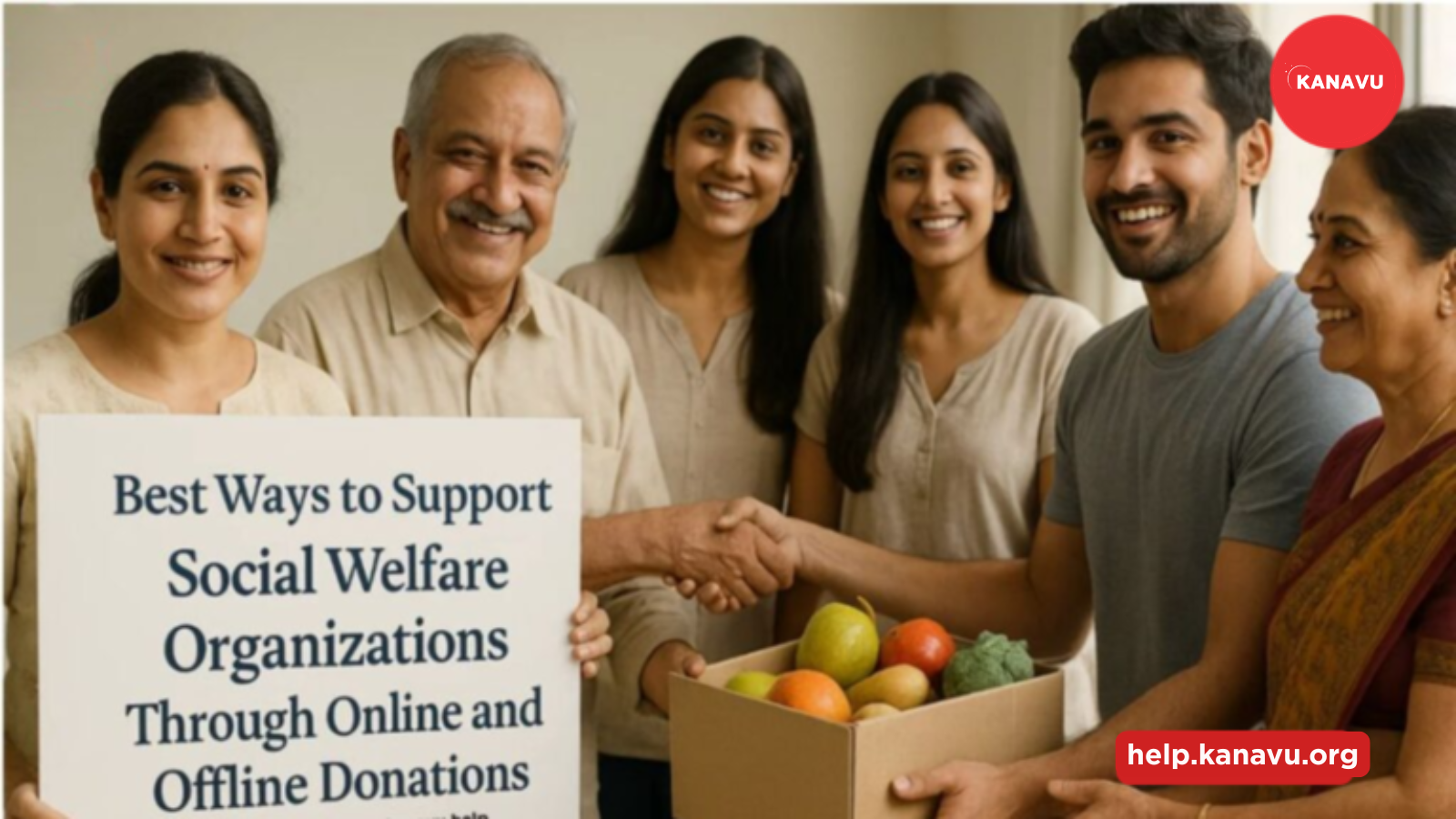
Best Ways to Support Social Welfare Organizations Through Online and Offline Donations
Best ways to support Social welfare organizations through online and offline donations Assisting people who are in need is one of the greatest forms of kindness and concern. Many individuals desire to assist causes that bring relief and hope to individuals, children, and families who are experiencing difficulties. Social welfare organizations are associations that seek to offer basic services such as healthcare, education, and shelter. These organizations rely on the charity of individuals like you and me. In this article, we will examine the best means of supporting social welfare organizations through donations online and offline, so your assistance reaches those that need it most. Why It’s Important to Support Social Welfare Organizations In cities and towns, there are numerous individuals suffering from financial difficulties, ill health, or illiteracy. Social welfare groups intervene to assist such individuals by providing resources and services that enhance their lives. Without donations, most of these activities are not feasible. Digital payment apps are simplifying the process of making donations across India, making it easier for people to contribute and support these initiatives anytime and from anywhere. If you donate even a little, you are helping to feed, provide medicine for, house, or educate those who cannot afford it. Donating to such groups is not only about finances – it’s about sharing love and giving opportunities to lead a better life. Best Online Methods of Donation Online donations are convenient, secure, and quick to handle. Most social welfare organizations have websites that are safe to make donations through their credit cards, digital wallets, or by bank transfer. Below are some of the best online methods of donation: When giving online, always ensure that the organization is registered and your contribution will be utilized properly. Offline Means of Contributing to Social Welfare Organizations Offline donations are equally valuable, especially in communities where internet access is limited. There are many ways to support social welfare organizations in person: Before donating offline, it’s a good idea to inquire about what is needed in the way of items or services so your gift can be of the most benefit. How to Make Your Donation Have an Impact To ensure your assistance makes a difference, you should always do some things before and after giving. Here’s the best way you can give: Being supportive of social welfare groups is not merely a matter of donating funds; it is about being with the needy and assisting them in overcoming their challenges. Your contribution, whether you make it online or offline, is important in shaping a better and compassionate world.
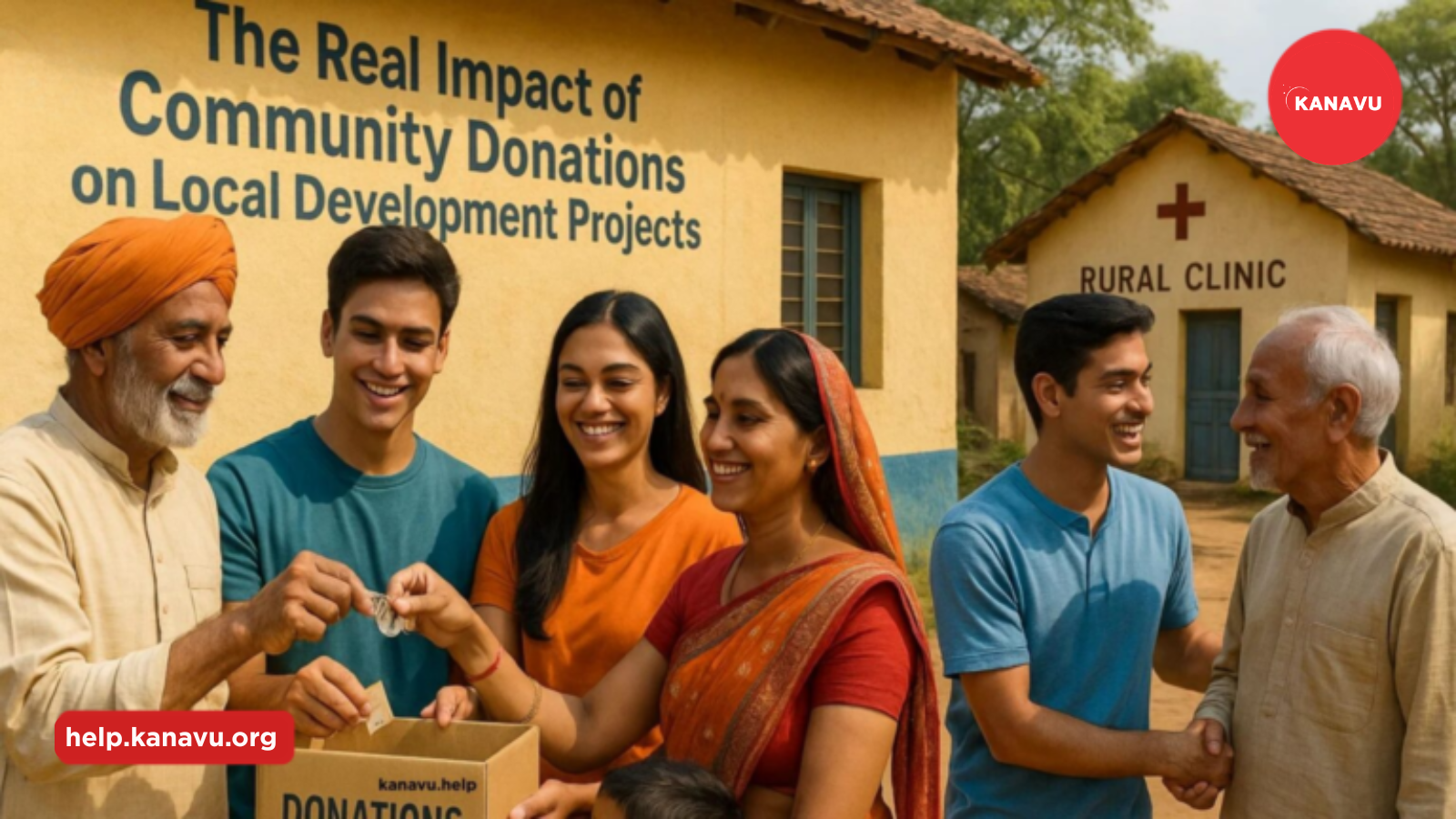
The Real Impact of Small Scale Community Donations on Local Development Projects
The Real Impact of Small Scale Community Donations on Local Development Projects The Power of Small Contributions Change does not always come from large grants or international aid programs. In fact, many local development projects begin with small community donations that grow into sustainable initiatives. Support others online with compassion, not a big budget, because even the smallest contributions can come together to create meaningful progress. When villagers, families, or local groups contribute even modest amounts, they create a shared pool of resources that can be used to improve schools, healthcare access, roads, or sanitation. This active participation makes people feel responsible for the outcome, giving projects long-term stability instead of short-lived assistance. Education and Infrastructure Built by Communities Education is often the first sector to benefit from small-scale contributions. In many rural areas, children are forced to study in unsafe or overcrowded classrooms. With collective donations, communities can build extra rooms, provide learning materials, or even hire local teachers. The impact of Kanavu Help donations on education, community development, and school support is a strong example of how collective efforts can create meaningful change. These changes, though small at first, create a ripple effect that improves literacy and future opportunities. Similar stories can be seen in infrastructure projects, such as repairing roads or creating clean water systems. Each effort shows that local development projects are not only about government intervention but also about communities shaping their own growth. Healthcare Improvements Through Donations Healthcare is another sector transformed by grassroots funding. While large hospitals may be far from reach, community-driven donations can support smaller initiatives like mobile clinics, vaccination drives, or emergency response teams. In many villages, even buying a basic medical kit for a health worker has saved lives. By investing in these needs, small contributions reduce health risks and bring timely services closer to families. These healthcare-related local development projects ensure that people do not have to travel long distances for basic treatment, improving both safety and quality of life. Social Unity and Empowerment Donations are not only financial; they are also symbolic. When people contribute to a common cause, they form stronger social bonds. This sense of unity ensures that projects are maintained and valued for years. Villagers who see their small input making visible improvements feel empowered and more willing to support future initiatives. As a result, local development projects become community-owned rather than externally imposed, making them far more sustainable. Long-Term Ripple Effects What begins as a small act of generosity often grows into something larger. For instance, a few families pooling money to fund a water pump may inspire nearby villages to do the same. Over time, this local momentum attracts external support from NGOs, corporate donors, or government schemes. In this way, small-scale donations act as catalysts that expand into bigger and more impactful local development projects, proving that even modest beginnings can shape an entire community’s future. Small Donations, Big Change The journey of transformation often starts with the simplest acts of giving. A single contribution may seem insignificant, but when multiplied across an entire community, it becomes a force for real progress. A look at how much Indians contribute and which states lead, according to Ketto’s new report, highlights how collective generosity across the country is supporting meaningful social change. Whether the focus is education, healthcare, or infrastructure, these collective efforts demonstrate the undeniable strength of small-scale contributions in shaping local development projects.
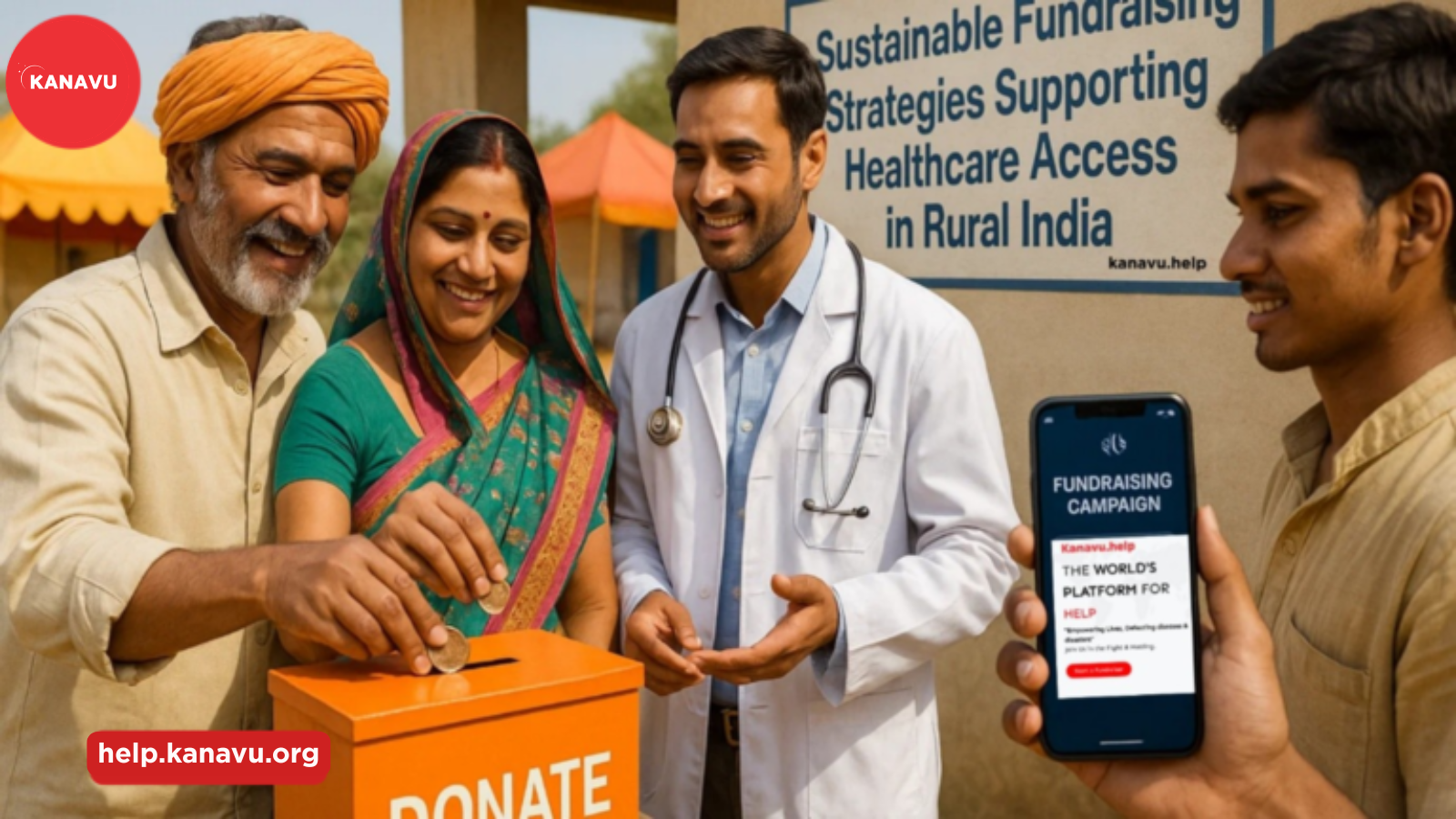
Sustainable Fundraising Strategies Supporting Healthcare Access in Rural India
Sustainable Fundraising Strategies Supporting Healthcare Access in Rural India Why Rural Healthcare Needs Sustainable Support India’s rural population makes up nearly 65% of the country, yet healthcare facilities remain concentrated in urban areas. Rural clinics often struggle with outdated infrastructure, lack of medicines, and insufficient funding. Temporary financial aid may help for a while, but without continuous resources, many initiatives fail to make a lasting impact. This highlights the role of crowdfunding in improving healthcare access in rural India, as it enables communities and supporters to contribute consistently toward essential medical resources. That is why implementing sustainable fundraising strategies becomes critical—they provide steady support for ongoing operations and long-term health improvements. Community-Based Fundraising Initiatives One of the most effective approaches is mobilizing local communities. Small recurring contributions from individuals, farmers, and self-help groups can create a strong financial base for rural health programs. Community events such as charity walks, village fairs, or cultural festivals not only raise money but also spread awareness about healthcare needs. By encouraging participation at the grassroots level, these strategies build both ownership and accountability. Partnering with Corporate Social Responsibility (CSR) Programs CSR initiatives from Indian companies are playing a vital role in healthcare funding. Many organizations allocate part of their CSR budgets to rural hospitals, vaccination drives, or telemedicine programs. Aligning with corporate partners ensures a reliable flow of funds and resources. When designed well, these collaborations represent sustainable fundraising strategies that can run for several years, rather than one-time sponsorships. Leveraging Digital Crowdfunding Platforms Technology has opened new opportunities for fundraising in India. Online crowdfunding platforms allow individuals and NGOs to reach a wider audience beyond their local communities. Campaigns that highlight rural healthcare challenges often receive strong responses from donors both in India and abroad. The transparency of digital platforms—showing how funds are used—encourages trust and repeat contributions, which are essential for sustainability. In this context, a guide to online fundraising, donating, and campaign updates through Kanavu Help can help supporters better understand how digital giving works and how their contributions create meaningful impact. Government and NGO Collaborations Partnerships between government health programs and non-profit organizations help bridge funding gaps. For example, NGOs can raise funds for medical equipment or mobile health vans, while the government provides staff and facilities. Such hybrid models create dependable healthcare systems in villages, supported by ongoing community engagement. By combining resources, they embody the principle of sustainable fundraising strategies that go beyond one-time aid. Building Health Awareness Alongside Fundraising Fundraising alone cannot solve healthcare challenges unless communities understand the importance of preventive care and medical services. Awareness campaigns about maternal health, vaccination, hygiene, and nutrition are often combined with fundraising drives. When people see direct health benefits, they are more motivated to contribute consistently, ensuring the continuity of rural healthcare projects. This approach also focuses on integrating compassion into the healthcare system, ensuring that care reaches communities with both empathy and sustainability. At Kanavu Help, we believe every contribution matters, and when structured sustainably, it becomes a bridge to lasting healthcare access for rural India.
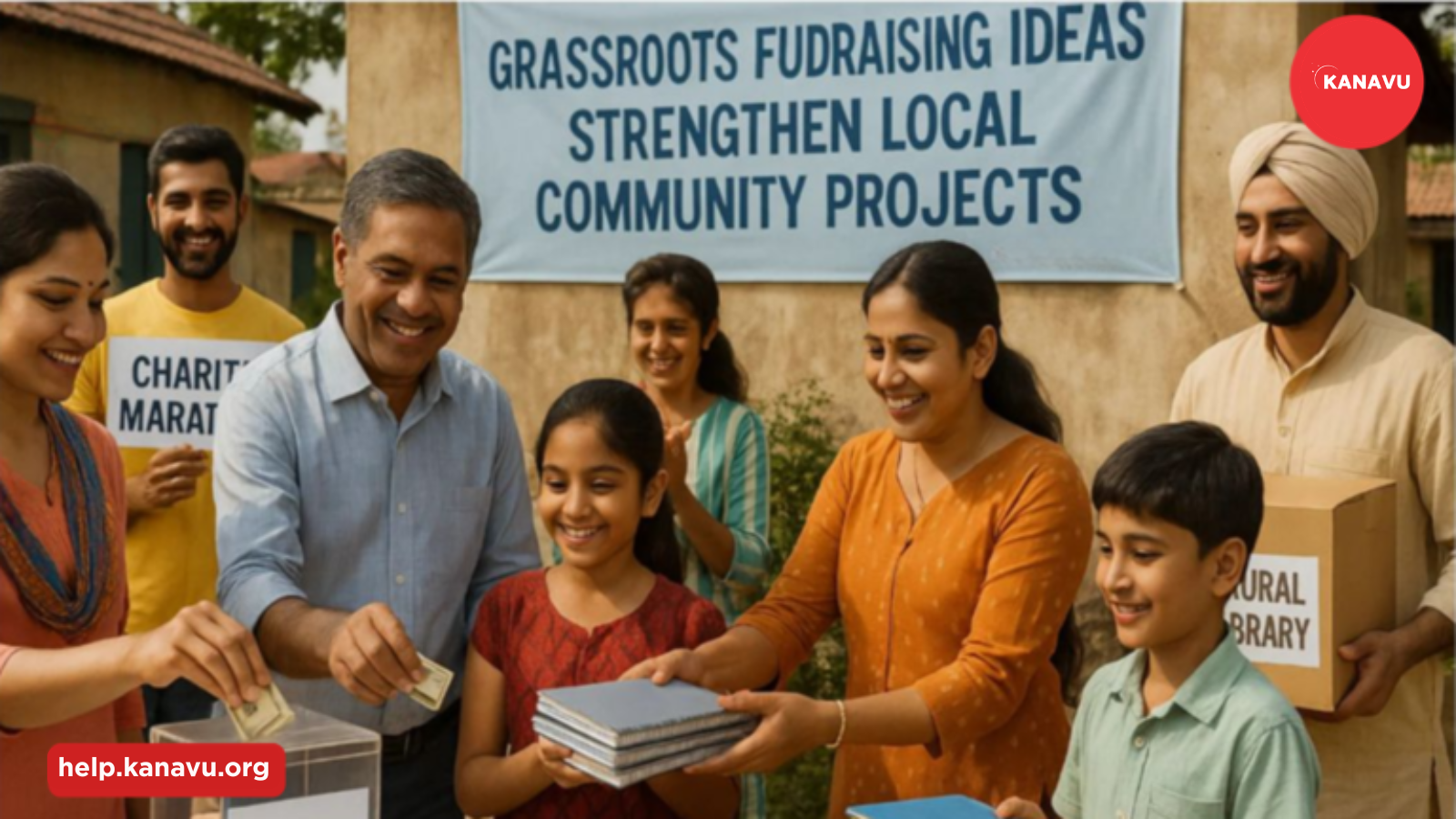
How Grassroots Fundraising Ideas Strengthen Local Community Projects
How Grassroots Fundraising Ideas Strengthen Local Community Projects Community development often starts with small steps, but those steps can grow into movements that transform lives. One of the most powerful ways to drive such change is through grassroots fundraising ideas. These initiatives are not led by big corporations or wealthy donors but by ordinary people who come together to support causes they believe in. From funding school supplies to building healthcare centers, grassroots efforts prove that every contribution matters. Why Grassroots Fundraising Matters Unlike large-scale campaigns, grassroots initiatives are highly personal and community-driven. They work because people feel connected to the cause and are directly impacted by the results. A small donation, when multiplied by hundreds of community members, can provide the resources needed to repair a school, set up clean water facilities, or sponsor local youth programs. In many regions, these collective efforts also support larger goals such as building sustainable funding models for better rural healthcare in India, ensuring that essential services continue without interruption. Moreover, grassroots campaigns build trust. Donors can see where their money goes and how it benefits their neighborhood. This creates a cycle of involvement where people not only give financially but also volunteer their time and skills. Grassroots Fundraising Ideas that Inspire Change The keyword grassroots fundraising ideas is not just about collecting money; it’s about sparking collective energy and making giving accessible to everyone. Here are a few ideas that have created a lasting impact: Local Events: Organizing small marathons, cultural programs, or talent shows where ticket sales go toward community needs. Crowdfunding Campaigns: Using social media platforms to gather small contributions from a wide audience. Skill Sharing Workshops: Teachers, artisans, or professionals can offer workshops, with entry fees donated to local causes. Donation Challenges: Encouraging people to give up one luxury item a month and donate the saved money. Many of these activities also encourage volunteering in India: creating positive change in communities, as people contribute not only money but also their time, knowledge, and energy to support meaningful local initiatives. These approaches work because they don’t demand large amounts from a single person. Instead, they rely on the collective effort of many. Building Stronger Communities Together When people participate in these initiatives, they feel more connected to one another. Communities become stronger not only because projects get funded but also because people develop a sense of shared responsibility. For example, when a rural library is funded through small donations, every contributor feels ownership of the project. This strengthens community pride and ensures long-term sustainability. Overcoming Challenges in Grassroots Fundraising While small-scale efforts are powerful, they are not without challenges. Sometimes it is difficult to reach enough people, or to inspire trust in new initiatives. However, consistent communication, transparency in spending, and regular updates on progress can overcome these barriers. The role of grassroots campaigns in shaping modern India highlights how community-driven efforts, when supported with trust and clear communication, can grow into powerful movements for social change. Social media has also made it easier for even the smallest fundraising campaigns to reach larger audiences. The Lasting Impact of Collective Giving The true strength of grassroots efforts lies in their ability to bring people together. They do more than raise funds; they unite communities under a shared purpose. They prove that meaningful impact doesn’t always need millions in funding. With determination, creativity, and collaboration, local people can solve local problems. This is where organizations like Kanavu Help come in, supporting communities by nurturing local initiatives and amplifying their reach. By combining modern tools with traditional community values, they ensure that small efforts grow into lasting change.

Healthcare donation initiatives in India driving social impact in rural communities
Healthcare Donation Initiatives in India Driving Social Impact in Rural communities In many parts of rural India, the nearest hospital may be hours away, with limited staff and resources. Families often struggle to access even primary care, leading to untreated conditions and avoidable deaths. To address this gap, Healthcare donation initiatives in India are bringing vital services closer to the people who need them most. These efforts often work alongside broader social initiatives, highlighting the impact of Kanavu Help contributions on education, community growth, and school development, which strengthen the overall well-being of rural communities. Breaking Barriers with Rural Health Support Villagers frequently postpone treatment because of travel costs and lost wages. Even small ailments escalate into serious problems without timely care. Donation-backed programs help break this cycle by delivering healthcare within local communities. Vaccination drives, maternal health check-ups, and chronic disease care reach people who would otherwise remain untreated. By reducing both cost and distance, these efforts ensure that health services are not a privilege but a basic right. Healthcare donation initiatives in India: A Path to Equality Charitable organizations, corporate foundations, and philanthropists are working together to extend healthcare to underserved regions. Rural diagnostic centres, mobile clinics, and surgical camps are creating real access where previously there was none. Telemedicine allows villagers to consult doctors in urban hospitals without leaving their homes. Mobile vans with lab equipment provide on-the-spot tests and medicines. Through such combined approaches, these programs bring equality in healthcare delivery and create long-term trust in medical systems. Ripple Effects on Community Well-Being When healthcare improves, so does overall community life. Farmers stay productive because illnesses are treated early. Children attend school more regularly, helping families escape cycles of poverty. Preventive screenings reduce emergency medical expenses, leaving households financially stronger. A cataract surgery that restores sight or a dialysis session that saves a life transforms more than just an individual’s health. It restores livelihoods, reduces dependency, and strengthens the resilience of rural communities. These examples demonstrate how targeted donations ripple through generations. In many communities, similar acts of support—such as donating online to educate a child and create a brighter tomorrow—also contribute to long-term social progress by strengthening both health and education systems. Technology Driving Rural Healthcare Growth Technology has become a crucial partner in medical philanthropy. Low-cost health apps track patient records for ongoing care. Video consultations connect remote patients to city-based specialists. In some trials, drones are being used to deliver medicines and vaccines to isolated villages. By integrating innovation with donation-based efforts, rural populations gain access to treatments once limited to urban centers. This blend of modern technology and human generosity is redefining what rural healthcare looks like. Challenges in Sustaining Donation Programs Despite visible progress, challenges remain. Many villagers are unaware of the free services available, which limits outreach. Poor infrastructure makes it difficult for mobile vans to consistently reach remote areas. Funding is another hurdle, as programs often rely on one-time donations instead of stable, long-term support. Public-private collaboration offers a way forward. Training local volunteers as health workers builds trust within villages. Government partnerships provide continuity and financial backing, ensuring these efforts don’t fade out with time Toward a Stronger Rural Health System The potential impact is immense if current efforts are scaled. Expanding mobile health vans, increasing preventive screenings, and strengthening digital healthcare tools can make rural health systems more resilient. Encouraging community ownership ensures these initiatives are sustainable in the long run. Most importantly, Healthcare donation initiatives in India remind us that small contributions add up to meaningful change. Every drop of courage counts: donate to help save lives, whether through blood donation, medical sponsorships, or support for essential healthcare programs. A donated unit of blood, a sponsored surgery, or support for a rural health worker can transform entire families. With collective effort, the dream of equitable healthcare is within reach.
