
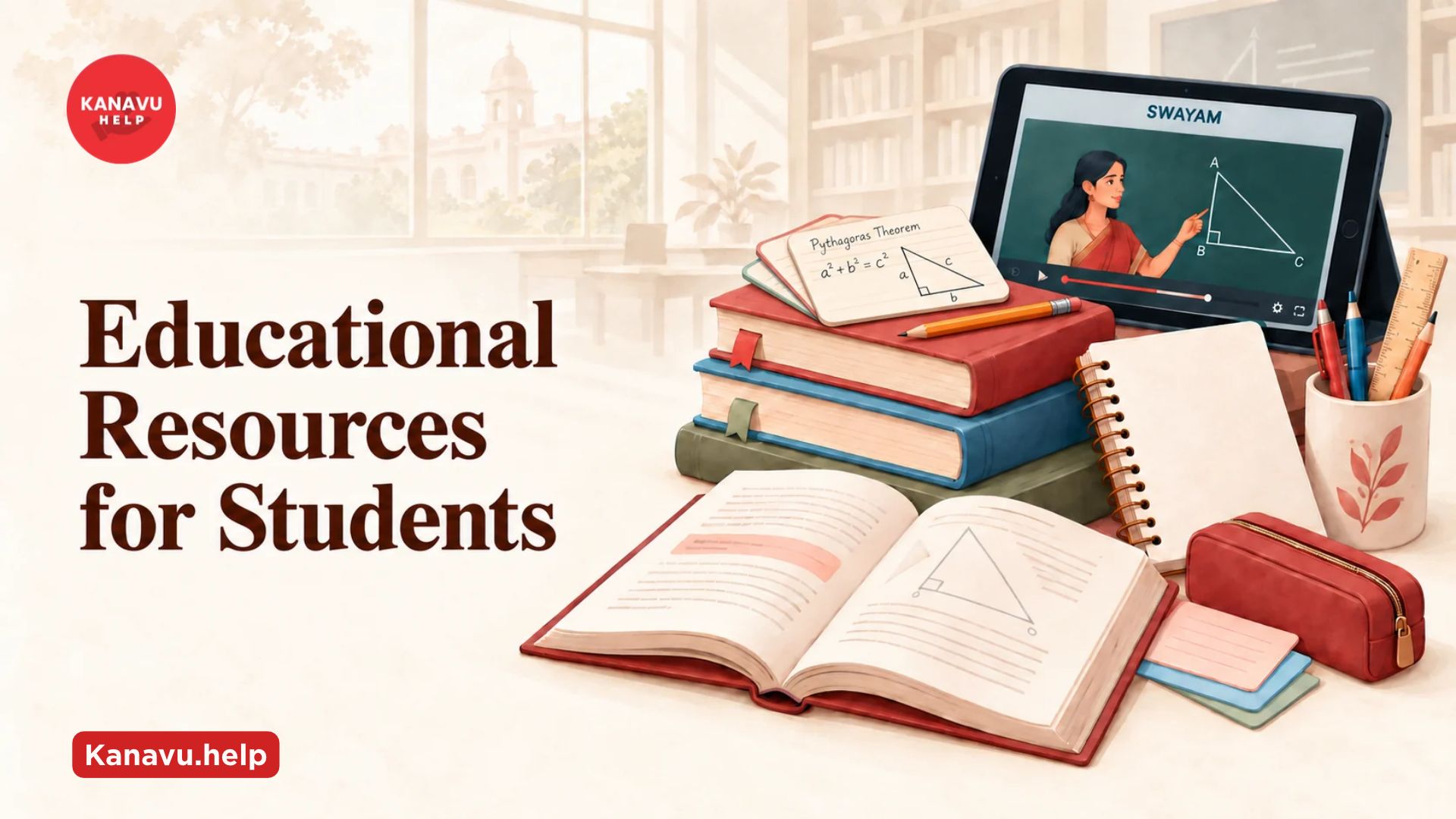
Educational resources for students include textbooks, stationery, digital learning tools and study materials that help learners understand lessons and practise independently. The right resources should match the student’s subjects, study level and everyday circumstances.
What Should Students Include in Their Everyday Learning Kit?
Before buying supplies, start with the school’s requirements or college course outline. Divide the list into three groups:
- Needed now: Prescribed textbooks, notebooks and everyday stationery.
- Needed for specific tasks: Geometry boxes, lab records, drawing materials or permitted calculators.
- Available to borrow: Reference books, library materials and shared equipment.
Check existing supplies before replacing them, and confirm textbook editions with teachers. Useful school supplies for students should be suitable, durable and ready when a lesson requires them.
If you plan to donate school supplies to children, request a current list first. This helps avoid duplicates and makes each contribution useful.
Which Educational Resources for Students Help With Different Study Tasks?
“Different study tasks need different resources—from textbooks for understanding concepts to worksheets for practice and flashcards for revision.”
Understand → Read and explore
Use prescribed textbooks, teacher explanations and selected reference materials that follow the syllabus.
Practise → Apply the lesson
Keep exercise notebooks, worksheets and practice questions ready. Check answers and revisit mistakes.
Investigate → Look beyond the textbook
For college assignments, explore library catalogues, academic journals and institution-provided databases. Check authorship and publication details.
Revise → Bring learning together
Create short summaries, flashcards and a list of difficult topics. Organise study materials for students by subject so revision time goes into learning rather than searching.
What Should Students Check Before Choosing Digital Learning Tools?
Before choosing digital learning tools, check:
- Does the content match the subject and level?
- Is the language understandable?
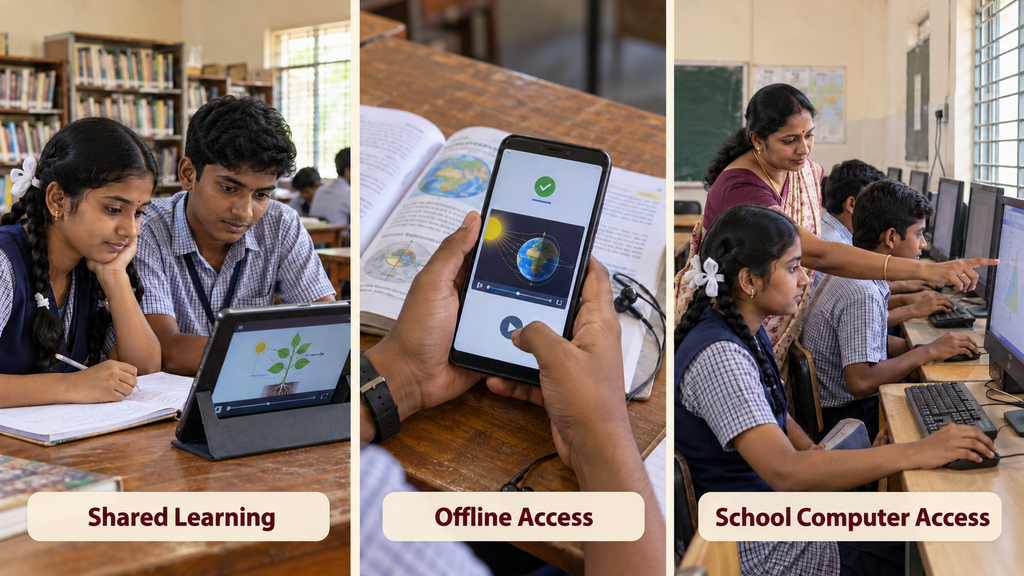
- Can lessons be downloaded?
- Does the device support required software?
DIKSHA’s student resources provides school learning resources and downloadable content. SWAYAM offers online courses with videos, reading materials and self-assessments; optional certification examinations may involve fees.
Turn a Resource Gap into a Useful Contribution
When you donate for children’s education, begin with what is missing. Contributions can support government school students with identified learning essentials.
Student education fundraising can bring donors together around a verified requirement. Similarly, education crowdfunding in India can help families seek contributions towards stated educational expenses.
For college needs, read Beyond Tuition Fees.
Put Learning Within Reach With Kanavu Help
Whether you want to sponsor a child’s education in India, explore a scholarship donation for students, or provide financial support for poor students, check the purpose and process before contributing.
For an education donation in Tamil Nadu, explore Kanavu Help and review each campaign’s stated requirement. Your contribution can help provide educational resources for students, one identified need at a time.
