
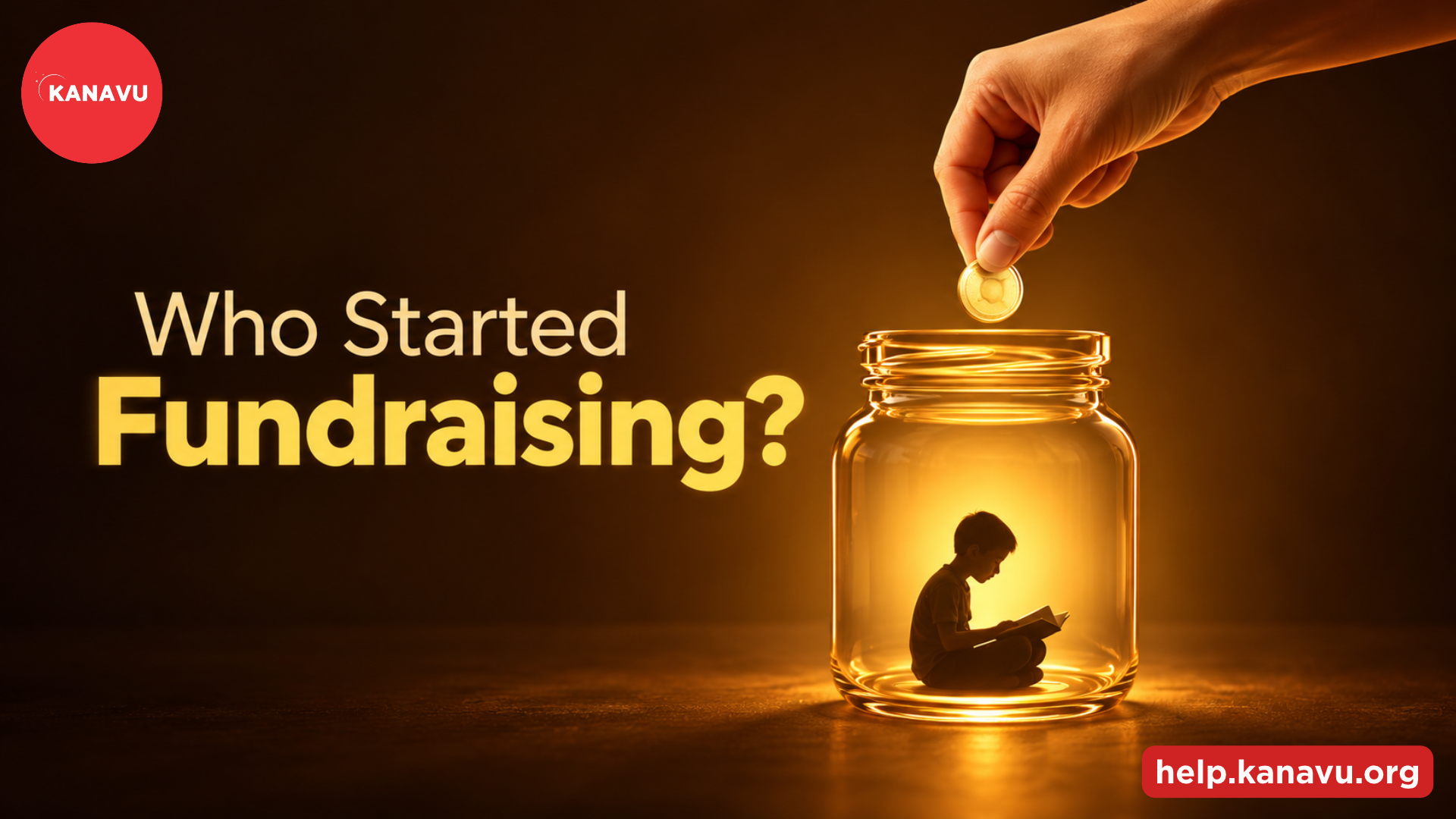
From Community Giving to Online Campaigns: Who Started Fundraising?
Someone needs help. A few people contribute. More people hear the story. Soon, an entire community comes together.
That basic idea has existed for centuries.
Today, we may call it fundraising, share it through WhatsApp or social media, and complete the donation online. But the idea itself began long before websites, QR codes or crowdfunding platforms.
So, Who Started Fundraising?
The answer is more interesting than one name.
FUNDRAISING IN ONE LINE
A need becomes a story → the story reaches people → people choose to support it.
Who Started Fundraising?
There Was No Single Inventor
Fundraising was not created by one person. For centuries, religious groups, communities and charitable organisations collected voluntary contributions for people, public needs and social causes.
Early fundraising commonly included:
- Community collections
- Donations through places of worship
- Public appeals
- Charity events
- Support for families affected by disasters
- Contributions towards schools and public causes
One Early Written Appeal
A frequently mentioned milestone appeared in 1643, when Harvard College used a written appeal known as New England’s First Fruits to seek financial support.
The idea was simple but powerful: a cause could reach beyond the local community when its story was shared.
How Did Modern Fundraising Begin?
By the early 1900s, fundraising became more organised.
Charles Sumner Ward, working with Lyman Pierce, is closely associated with modern campaign-style fundraising.
Their approach introduced methods that are still familiar today:
- A clear fundraising target
- A fixed time period
- Organised volunteer teams
- Public communication
- Planned donor outreach
BIG CHANGE
Fundraising moved from “Please help” to
“Here is the goal, the cause and how you can take part.”
From Donation Boxes to Digital Campaigns
Technology changed the reach of fundraising.
Traditional fundraising relied heavily on face-to-face requests and local networks. Today, online fundraising can connect a cause with supporters in different cities or even countries.
A modern campaign may follow a simple path:
Create Campaign → Share Story → Receive Donations → Update Supporters
Online fundraising now includes donation pages, crowdfunding, peer-to-peer campaigns and digital payment tools.
What Has Not Changed?
Whether offline or online, strong fundraising still depends on three things:
- A Clear Need: People should understand who needs support and why.
- A Genuine Story: A clear story helps supporters connect with the cause.
- Trust: Donors need confidence in the organiser, goal and use of funds.
Understanding the importance of trust is essential when making donations. Read our guide on charitable giving for education, emergency relief and safe donations to learn about responsible giving and supporting genuine causes.
How Kanavu Help Brings Fundraising Online
The same community spirit continues through Kanavu Help.
Kanavu Help allows people to start campaigns for personal causes, healthcare needs, education and community support.
The process is simple: Create → Share → Receive Support
So, when we ask Who Started Fundraising?, the answer is bigger than one name.
The tools have changed. The human idea has not: people helping people.
Have a genuine cause that needs support? Explore Kanavu Help and start a fundraiser online.
Before starting a campaign, it is helpful to understand how different charitable organisations work. Explore NGO vs Trust vs Foundation: What’s the Difference, and Where Does Kanavu Fit? to understand the differences between these organisational structures and Kanavu Help’s role in online fundraising.
FAQs
No single person invented fundraising. Community giving existed for centuries, while Charles Sumner Ward is commonly associated with the development of modern organised fundraising campaigns.
Online fundraising uses digital campaign pages, social sharing and online payments to collect voluntary contributions for a cause.
Choose a trustworthy platform, explain the cause clearly, set a realistic fundraising goal, provide supporting information and share the campaign with potential supporters.
Source: New England’s First Fruits: An Early Fundraising Appeal
