
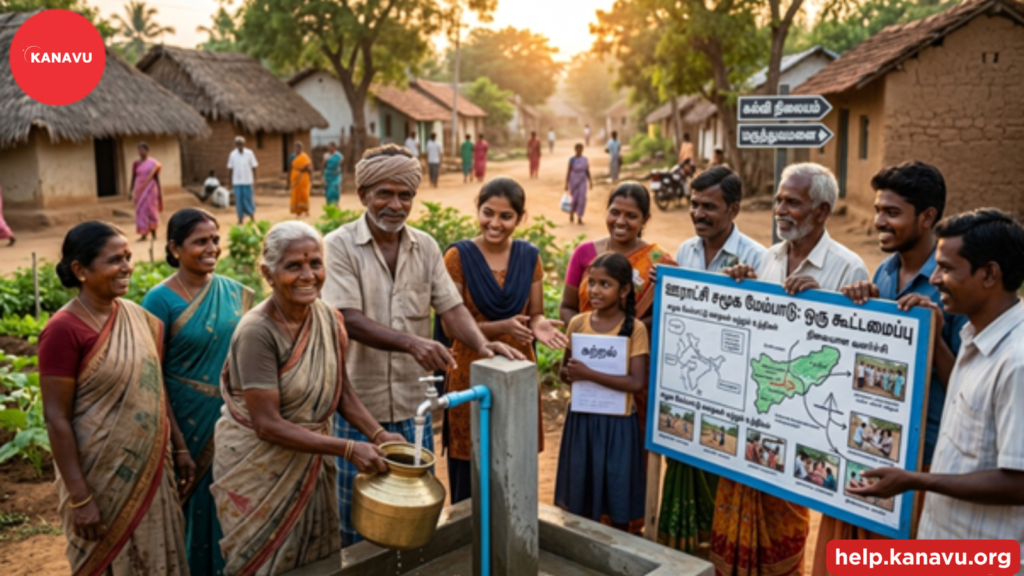
Real, lasting progress doesn’t begin with policies or plans—it begins with people. Across the world, individuals and communities are quietly driving transformation through resilience, innovation, and collective effort. These Community Impact Stories & Development Strategies reveal how meaningful change is built from the ground up, not imposed from the top down. Within the first steps of every initiative lies a deeper truth: when people are empowered, communities thrive. Real medical help stories shared by families on Kanavu.help further highlight how personal experiences can inspire action and strengthen community-driven change.
Today, as societies face growing challenges—from inequality and education gaps to environmental concerns—the importance of structured and thoughtful development approaches has never been greater. This is where the intersection of storytelling and strategy becomes powerful. By understanding real-life journeys and aligning them with effective frameworks, we can create replicable models of progress.
This blog explores how Community Impact Stories & Development Strategies play a crucial role in shaping stronger, more resilient societies. It also highlights the significance of Sustainable Community Development and draws inspiration from impactful Community Transformation Stories that demonstrate how even small actions can lead to large-scale change.
Through a structured exploration of real-world examples, strategic insights, and practical applications, this article will help readers understand not just what works, but why it works. More importantly, it will guide you toward applying these lessons in meaningful ways—whether in education, social work, or community leadership.
Every transformation story begins with a challenge. In many communities, these challenges may include lack of education, limited healthcare access, or economic instability. However, the true starting point of change is awareness—recognizing the problem and taking the first step toward addressing it.
In the context of Community Impact Stories & Development Strategies, identifying root causes is essential. Without understanding the underlying issues, efforts often remain surface-level and unsustainable.
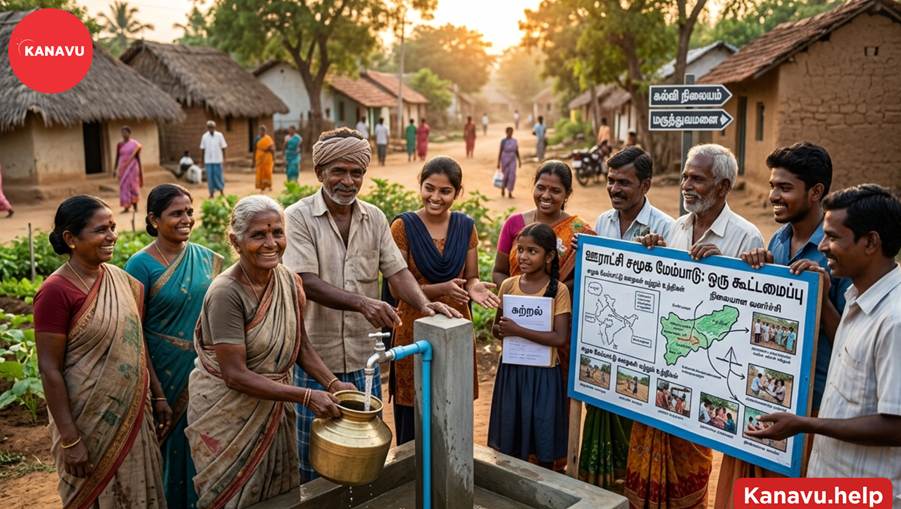
Impact of Kanavu’s community programs on livelihood and growth further demonstrates how these elements come together to create meaningful and sustainable transformation.
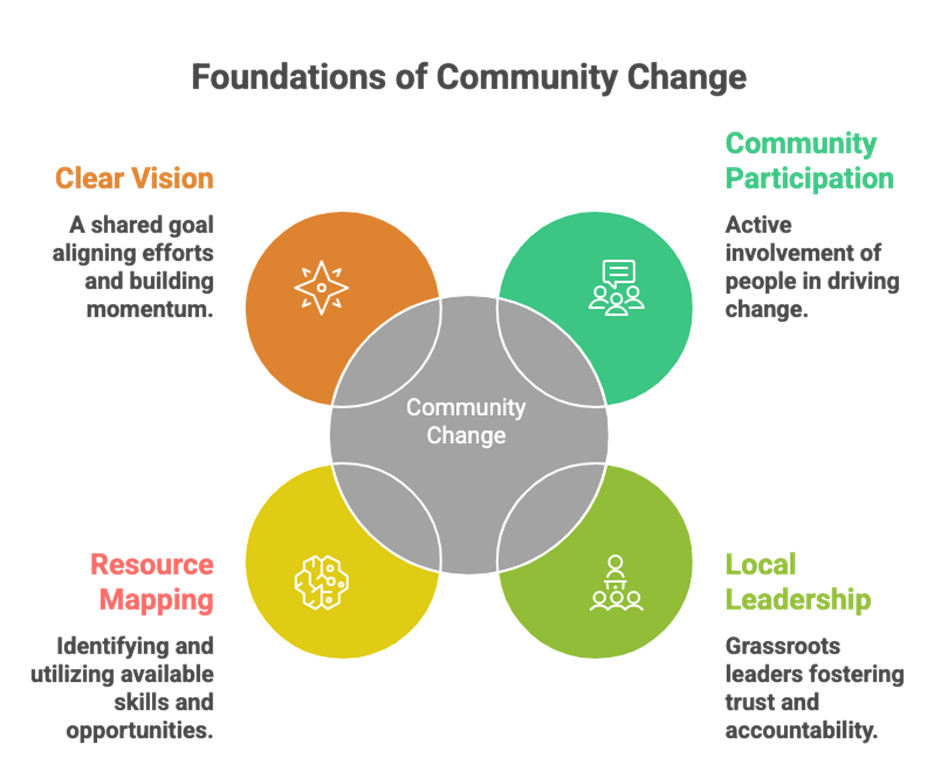
These elements are fundamental to Sustainable Community Development, ensuring that progress is not temporary but continues across generations.
Consider a rural village where access to clean water was limited. Instead of relying solely on external aid, the community collaborated with local organizations to build rainwater harvesting systems. This initiative not only solved the immediate issue but also empowered residents with knowledge and ownership—an essential trait in successful Community Transformation Stories.
Education is often the most powerful catalyst for change. For first-generation learners, the journey is not just academic—it is emotional, social, and deeply transformative. These individuals often navigate unfamiliar systems without guidance, making their achievements even more significant.
In many Community Impact Stories & Development Strategies, education emerges as a central theme. It acts as a bridge between poverty and opportunity.
These approaches align closely with Sustainable Community Development, as they create long-term educational ecosystems rather than one-time interventions.
Confidence plays a critical role. When learners begin to believe in their potential, their performance improves significantly. This psychological shift is often highlighted in impactful Community Transformation Stories, where mindset becomes the turning point.
Environmental challenges are no longer distant concerns—they directly impact daily life. From water scarcity to pollution, communities are increasingly aware of the need for sustainable practices.
Community Impact Stories & Development Strategies now frequently include environmental initiatives as a core component. This reflects a shift toward holistic development that balances human needs with ecological preservation.
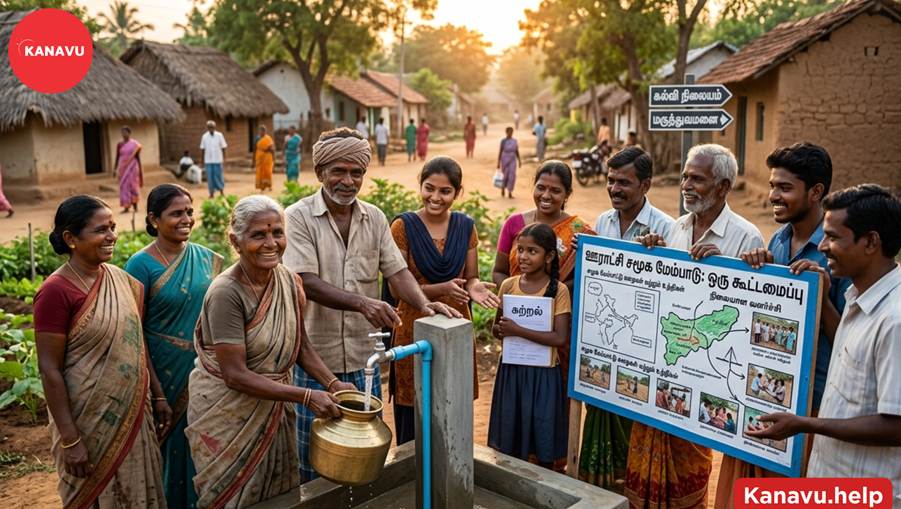
These actions contribute significantly to Sustainable Community Development, ensuring that progress does not come at the cost of environmental degradation.
Modern tools have accelerated environmental awareness and action:
Technology enhances the effectiveness of Community Impact Stories & Development Strategies, making them scalable and measurable.
The transition from awareness to action requires consistent engagement. Communities that succeed in this area often integrate environmental education into schools and local programs, ensuring that sustainability becomes a habit rather than a choice.
Not all change begins with large-scale initiatives. Sometimes, a single act can transform a life—and eventually, an entire community. These moments form the heart of many Community Transformation Stories.
For example, providing a scholarship to one student may seem small, but it can lead to a ripple effect of inspiration and progress.
These factors are essential in designing effective Community Impact Stories & Development Strategies.
Avoiding these mistakes strengthens the foundation of Sustainable Community Development.
These illustrations demonstrate how Community Impact Stories & Development Strategies are applied in real-world situations. NGO coaching programs for students from low-income families further show how targeted initiatives can create meaningful educational opportunities and long-term impact.
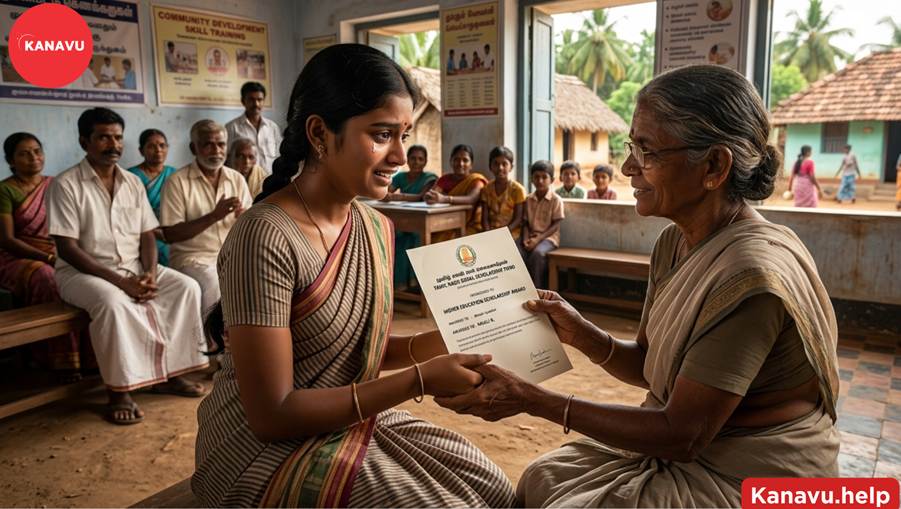
At its core, meaningful progress is about people—their struggles, their resilience, and their ability to create change. Community Impact Stories & Development Strategies remind us that transformation is not a one-time event but an ongoing journey shaped by collective effort and thoughtful planning.
By integrating principles of Sustainable Community Development, communities can ensure that their growth is balanced, inclusive, and future-ready. Meanwhile, powerful Community Transformation Stories continue to inspire action, proving that even the smallest steps can lead to extraordinary outcomes.
As we move forward, the focus must remain on collaboration, innovation, and empathy. Whether through education, environmental initiatives, or individual acts of kindness, every effort contributes to a larger vision of stronger, more connected communities.
Change is never simple, but it is always worth.
They are real-life examples and structured approaches that demonstrate how communities overcome challenges and achieve sustainable growth. These strategies combine planning, participation, and execution to create long-term impact.
It ensures that progress meets present needs without compromising future generations. It focuses on long-term solutions in education, environment, and economic growth.
They provide relatable examples of success, showing that challenges can be overcome. These stories motivate individuals and organizations to take action.
Yes, even small actions—like mentoring, volunteering, or spreading awareness—can create meaningful change and contribute to larger community goals.
Education empowers individuals with knowledge and skills, making it a key driver of transformation and long-term sustainability.
By promoting awareness, using technology, and encouraging collective action, communities can transition toward more sustainable and environmentally responsible lifestyles.
